
For many aspiring entrepreneurs, one of the biggest questions is: Should I start my own business from scratch, or should I buy into a franchise system? Both paths offer unique opportunities but also come with very different risks, challenges, and rewards. Choosing between a startup and a franchise depends on factors like your personality, financial resources, appetite for risk, and long-term vision. In this blog, we’ll break down the pros and cons of each model and help you figure out which one may be the right fit for you.
Understanding the Basics
What is a Startup?
A startup is a new business you create from the ground up. You build the idea, the brand, the operations, and the customer base yourself. It offers unlimited creativity and freedom, but it also requires significant effort, planning, and resilience to survive.
What is a Franchise?
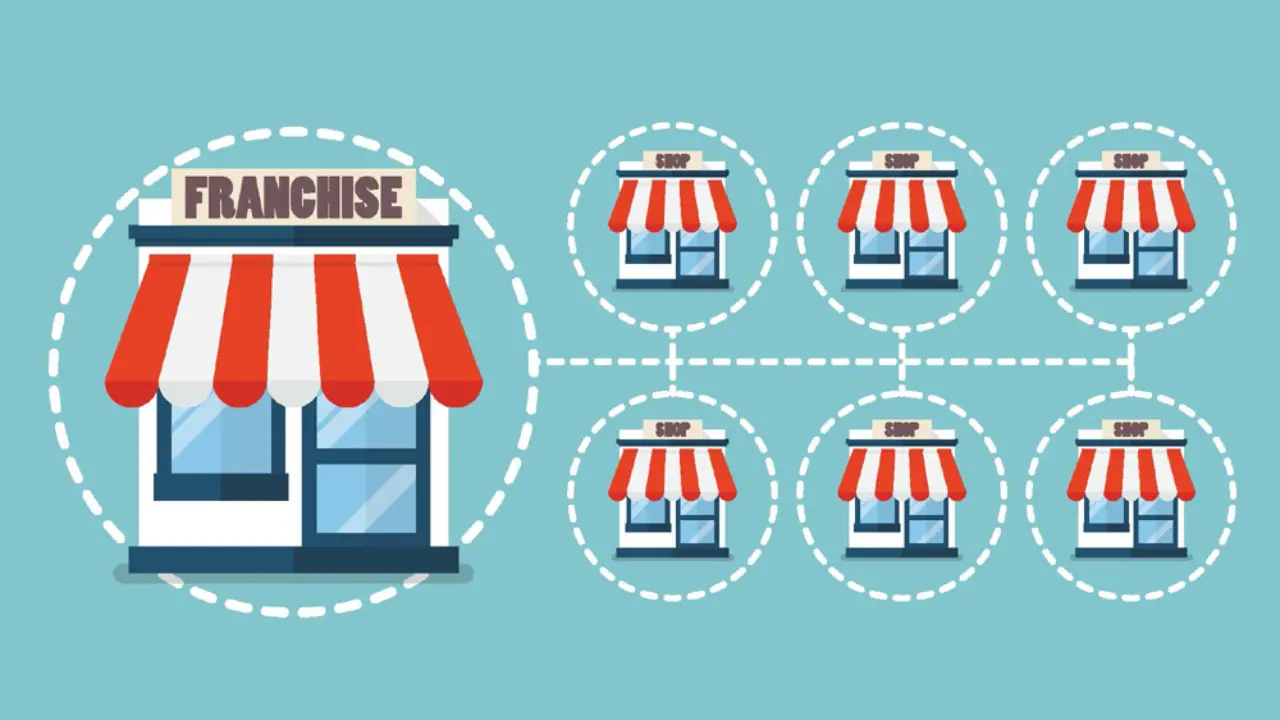
A franchise, on the other hand, is a business model where you buy the rights to use a proven brand name, products, and systems. You operate your business under their guidelines while paying franchise fees and royalties. Examples include McDonald’s, Subway, Domino’s, and thousands of smaller regional franchises.
Pros of Starting Your Own Business
-
Creative Freedom – You are free to build your vision without following any rules or restrictions from a parent company.
-
Full Ownership – Every profit belongs to you, and you’re not bound to pay royalties or licensing fees.
-
Flexibility – You can change your business model, products, or services anytime without needing approval.
-
Unlimited Growth Potential – If successful, your startup can scale globally and even transform into a franchise itself.
Cons of Starting Your Own Business
-
High Risk – Around 90% of startups fail due to poor planning, funding issues, or lack of market demand.
-
Brand Building – You need to spend heavily on marketing to gain customer trust and recognition.
-
Lack of Support – Unlike a franchise, you don’t get guidance or training. Every problem is yours to solve.
-
Funding Challenges – Banks and investors may hesitate to support unproven ideas.
Pros of Buying a Franchise
-
Established Brand – Customers already recognize and trust the franchise name.
-
Proven Business Model – You operate using a tested and successful system, reducing the risk of failure.
-
Training and Support – Most franchisors provide training, operations manuals, and ongoing assistance.
-
Easier Financing – Lenders often feel more comfortable funding franchises than new startups.
-
Marketing Support – National and regional campaigns from the franchisor help you attract customers.
Cons of Buying a Franchise
-
Less Freedom – You must follow strict guidelines for branding, pricing, and operations.
-
Franchise Fees – Initial investment plus ongoing royalties can reduce your overall profits.
-
Reputation Risk – If the brand suffers a negative image, your business will be affected even if you perform well.
-
Territory Restrictions – You may be limited to operating in certain areas, which restricts growth.
Which One is Right for You?
The decision between a startup and a franchise depends on your personal strengths and long-term goals:
-
If you’re innovative, independent, and willing to take risks, a startup might be the best path.
-
If you prefer structure, support, and lower risk, a franchise could be the safer choice.
Also, consider your financial position. Startups may require smaller initial investments but can drain resources if they fail. Franchises often need higher upfront capital but offer more stability.
Real-World Example
-
Startup Success: Flipkart, India’s largest e-commerce giant, started in 2007 as a small online bookstore. With vision, innovation, and risk-taking, it became a billion-dollar company.
-
Franchise Success: Domino’s Pizza entered India in 1996. Today, it’s one of the most successful fast-food franchises, largely because of its proven model and strong brand.
Both stories show that success is possible in either path, but the journey looks very different.
Final Thoughts
There’s no one-size-fits-all answer to the startup vs franchise debate. The right choice depends on your entrepreneurial style, finances, and willingness to take risks. Startups give you full freedom but come with uncertainty. Franchises offer stability and support but limit flexibility.
Take time to assess your goals, research both models, and speak with successful entrepreneurs before deciding. Whether you choose to innovate with a startup or step into a franchise system, remember: success depends on your dedication, consistency, and ability to adapt.

 Chat Now